The Saturday Blog: Two-Way Street
06 Saturday Dec 2014
Posted in Art

06 Saturday Dec 2014
Posted in Art
05 Friday Dec 2014

Raznov fortress.
I had an art teacher who said “The more you see, the more you see.”
It is true. I have never ceased hearing her speak that axiom, especially when I travel. There are the guide book sights to see and check off the list (the Painted Monasteries, Notre Dame, Big Ben, etc.) and then there are the crevices that make paintings.

Looking up a window. Sighisoara.
We were in Romania for 14 days and although we spent all of our time visitng medieval monasteries and exploring medieval fortresses while residing in medieval towns, I never got tired of seeing it. So while I made sure to hit the destination spots, it was what I did not expect that delivered so many revelations.
This is the staircase in the 13th century Clock Tower in Sighisoara. 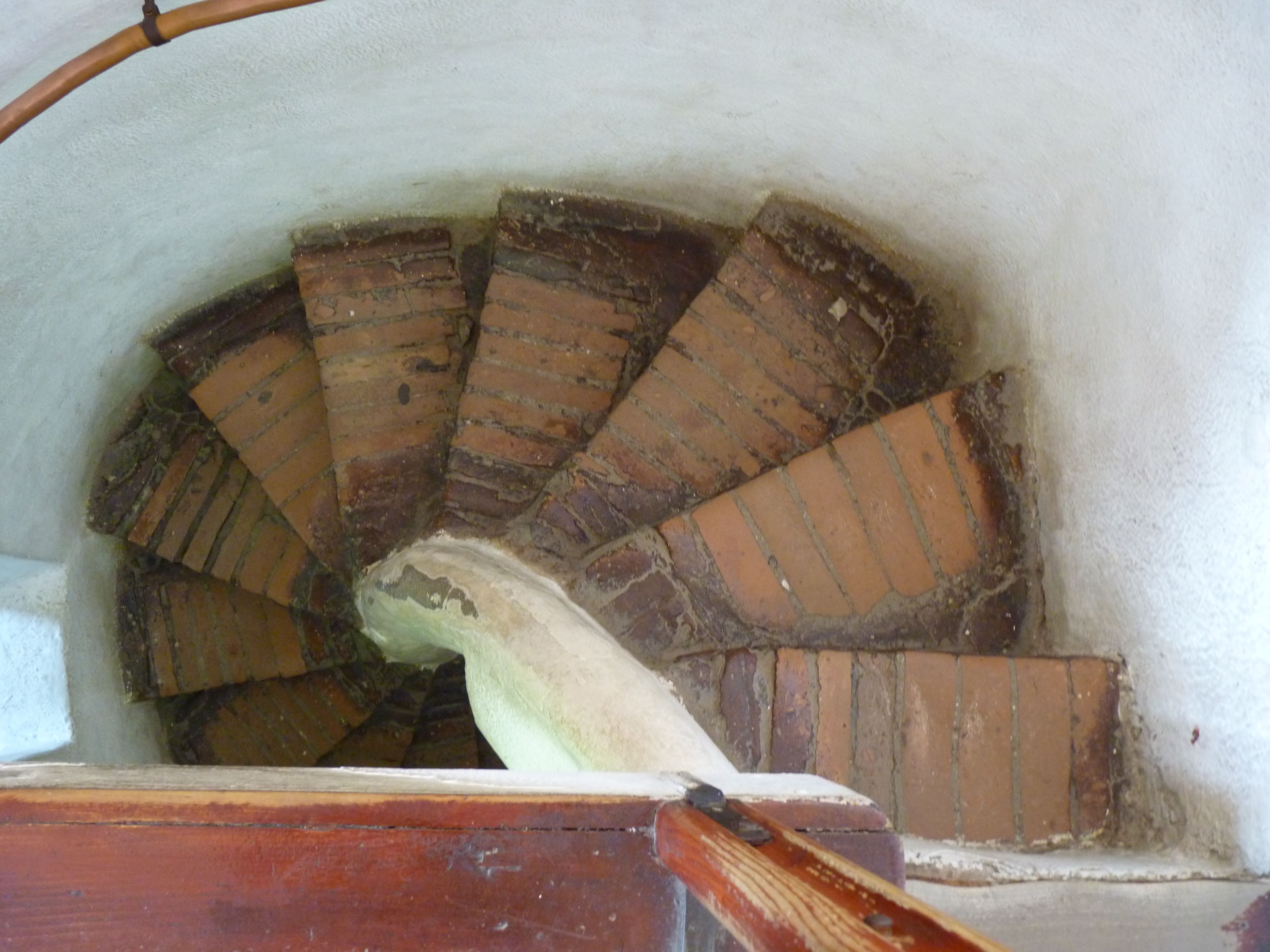 The cityscape was an interlocking maze of houses, narrow and dense in their intensity of direction.
  And then there was the myopic view:

Close up of a wall on a home from the 15th century
What is the best part is that each photo brings me back to that day in that place at the time I snapped the photo. Ergo I get taken back to Romania.
04 Thursday Dec 2014
Posted in Words
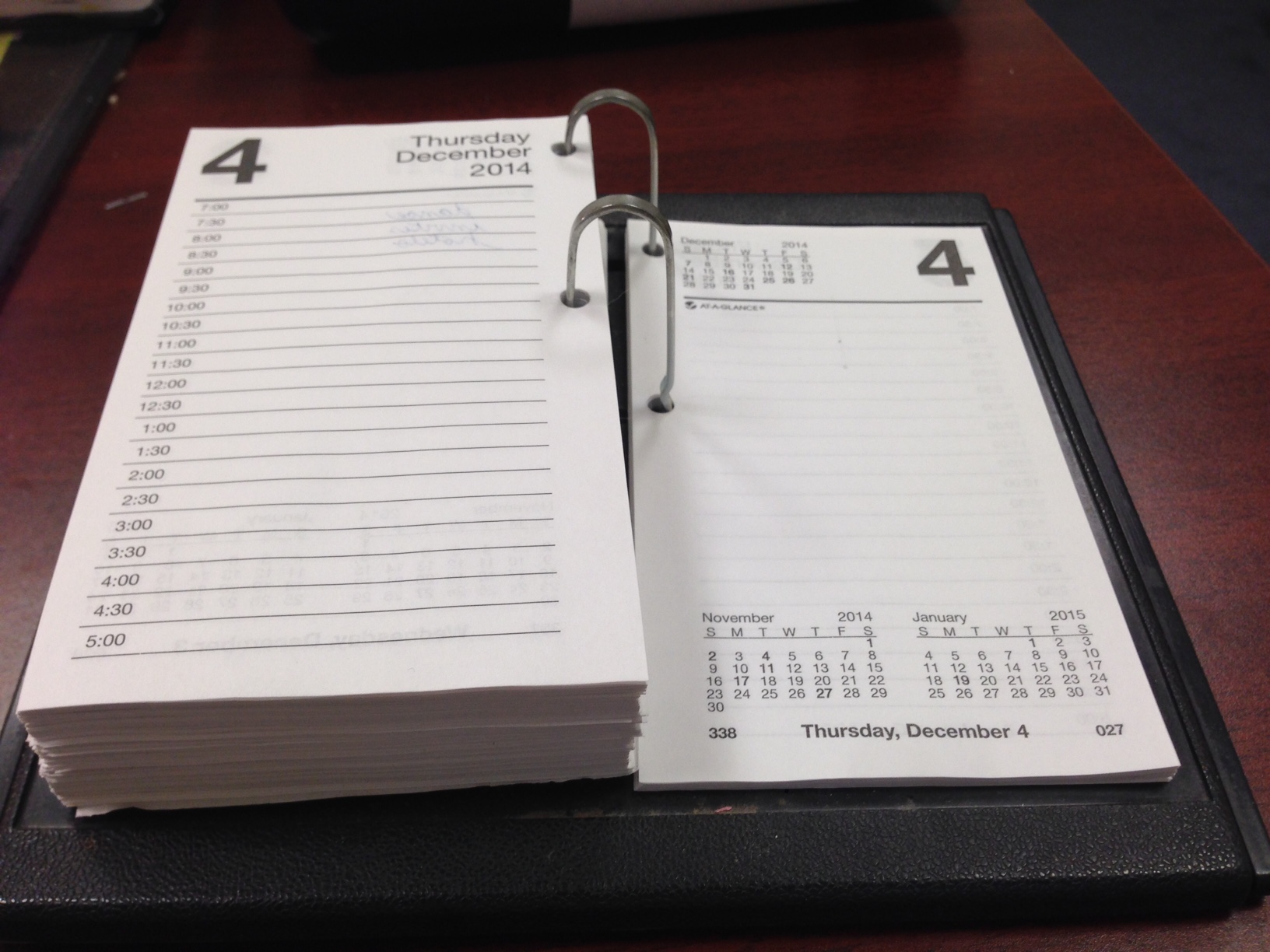
It’s December 4. Get ready. (Can you hear the collective sigh about the speed of time?)
The days will now fly, in full swing, to the rhythm of the holiday season.
There will be parties to attend. And cookies to be baked. Trees will be lit up; candles will be lit. Some of us will sauté latkes; others will hang stockings on the mantle.
We linger in the past with our rituals. And we usher in the future with toasts. But there is an interstice before the craziness envelopes. A small window of time, when you can sit for a bit with a cup of coffee on a cold winter day and prepare for the countdown. Breathe with us!
02 Tuesday Dec 2014
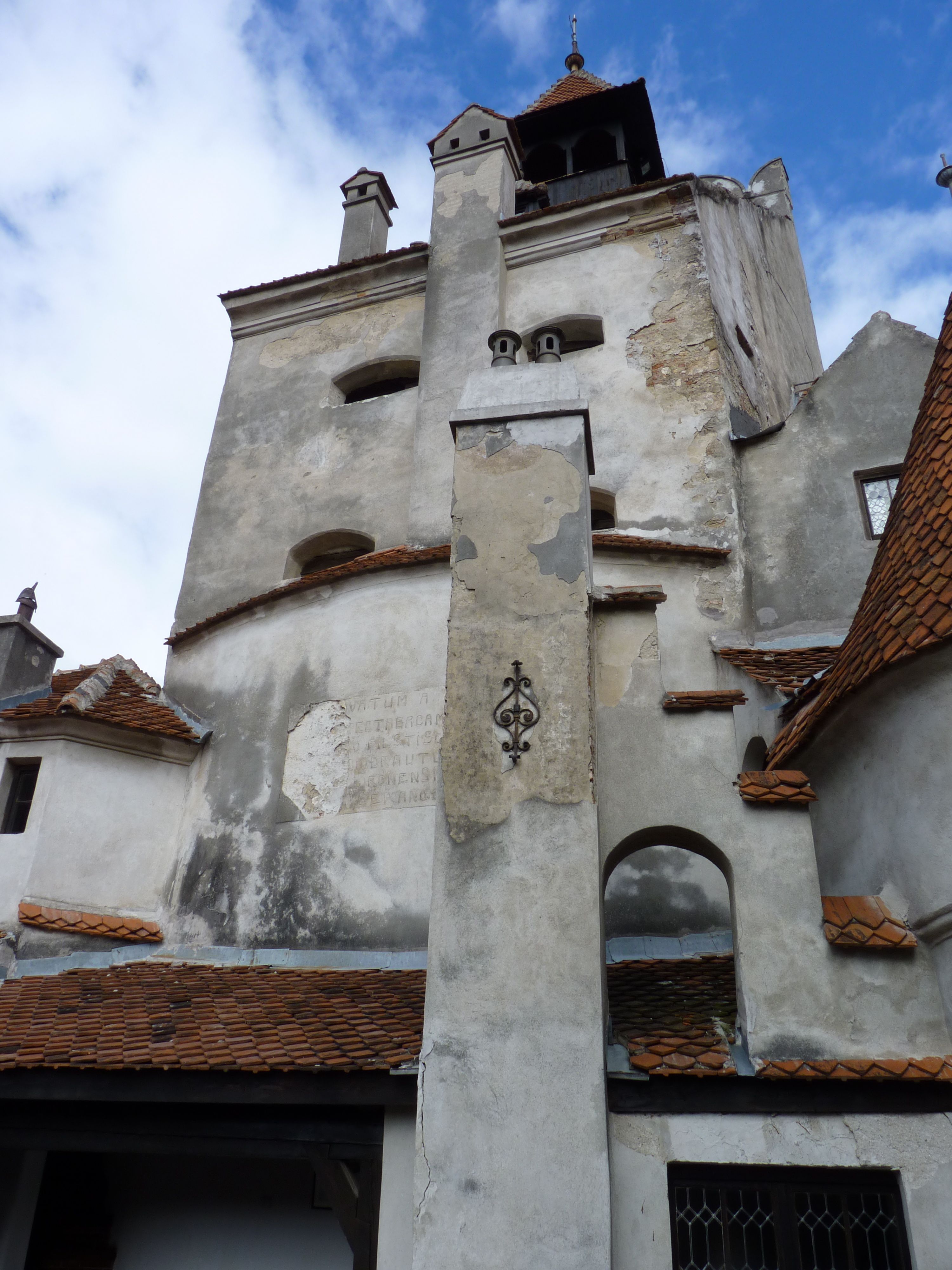
Count Dracula’s Castle. Bran, Romania
No one plans a trip to Romania without making a visit to Count Dracula’s castle in Bran. Bram Stoker’s 1897 novel which inspired Bela Lugosi’s 1931 portrayal of the blood sucking Count and Klaus Kinski’s taloned apparition of Nosferatu the Vampyre in Werner Herzog’s 1979 version guarantees that Bran Castle will always draw the tourist trade. But sight-seer beware!
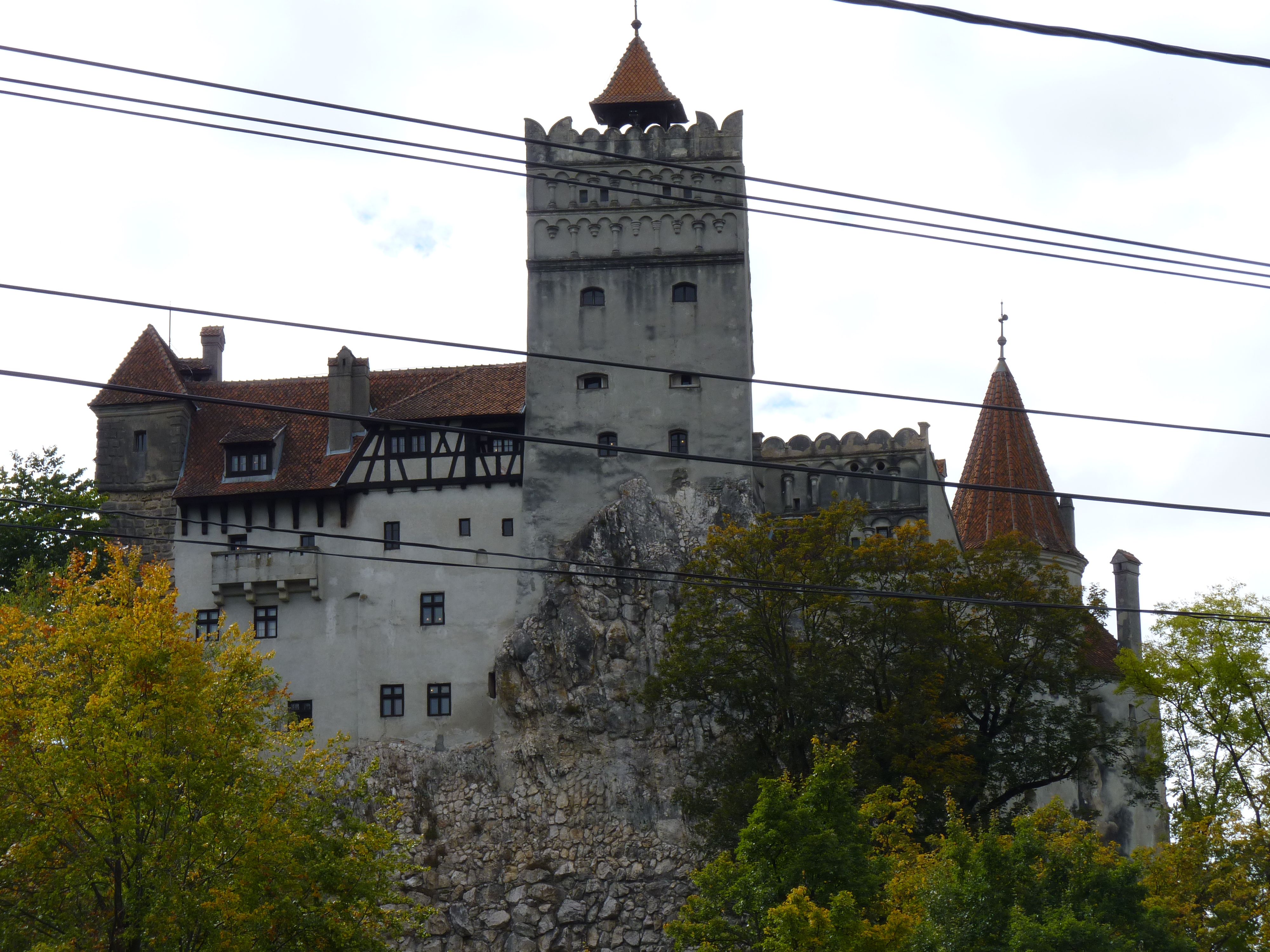
Looking up at Bran Castle
Dracula’s home, a conglomeration of medieval fortress and rambling 17th century castle stocked with the emblems of the landed gentry which became the abode of Romanian royalty in the early 20th century, is a bit of a disappointment despite the dramatic views of Transylvania available from every window.

View of Transylvania landscape from inside Bran Castle.
The key is to approach the Castle for its sense of historical significance, knowing that its foundations date back to 1382 when it was built on a citadel as a defense against the Ottomans. Then, as you wander through the maze of rooms taking in the bear rugs, the exquisite details of the hand carved armoires and the displays of armor worn to ward off weapons, you see it holistically as footnote in the history of Romania, not simply as a movie set.
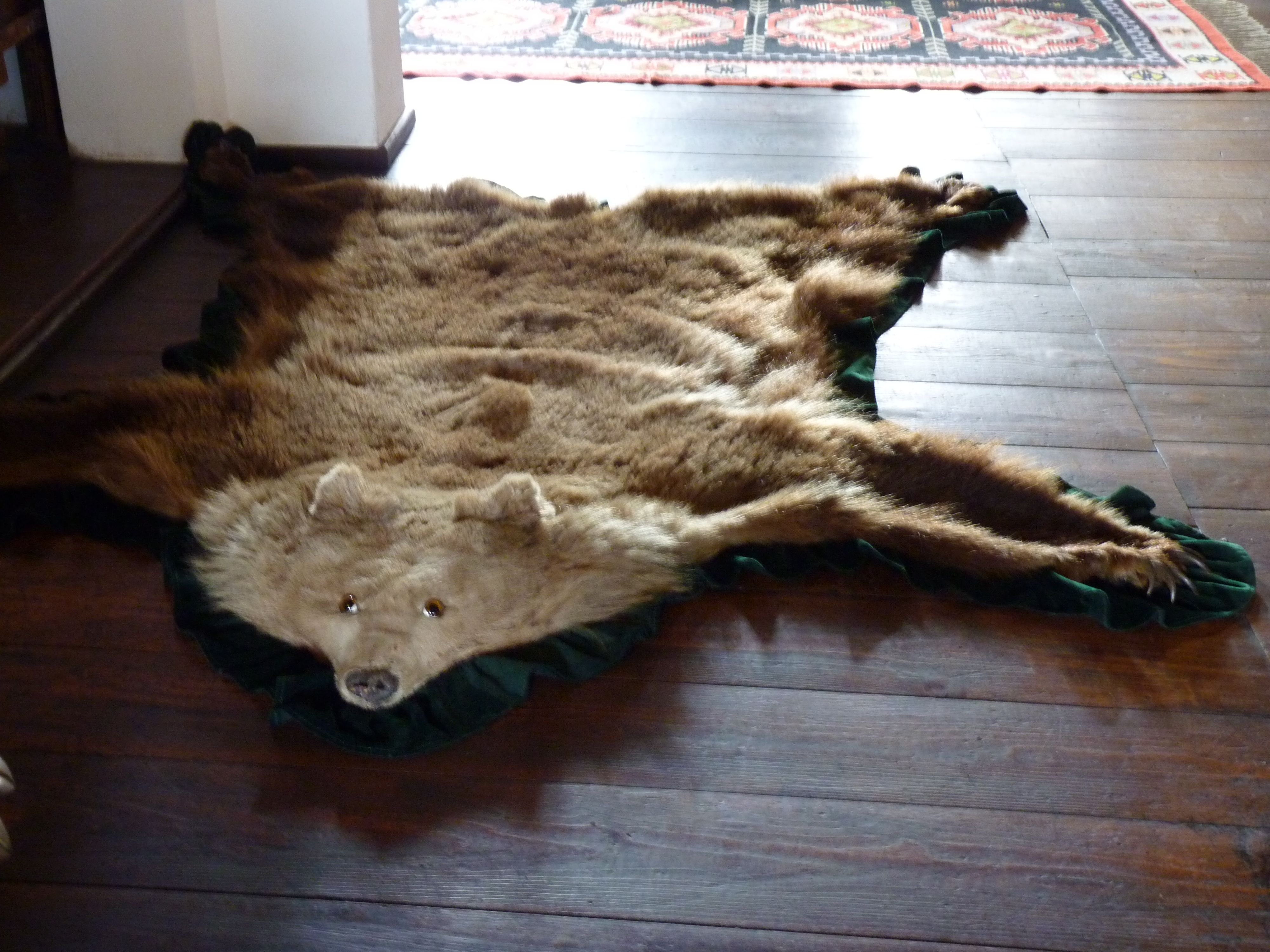
Bear rug. Bran Castle
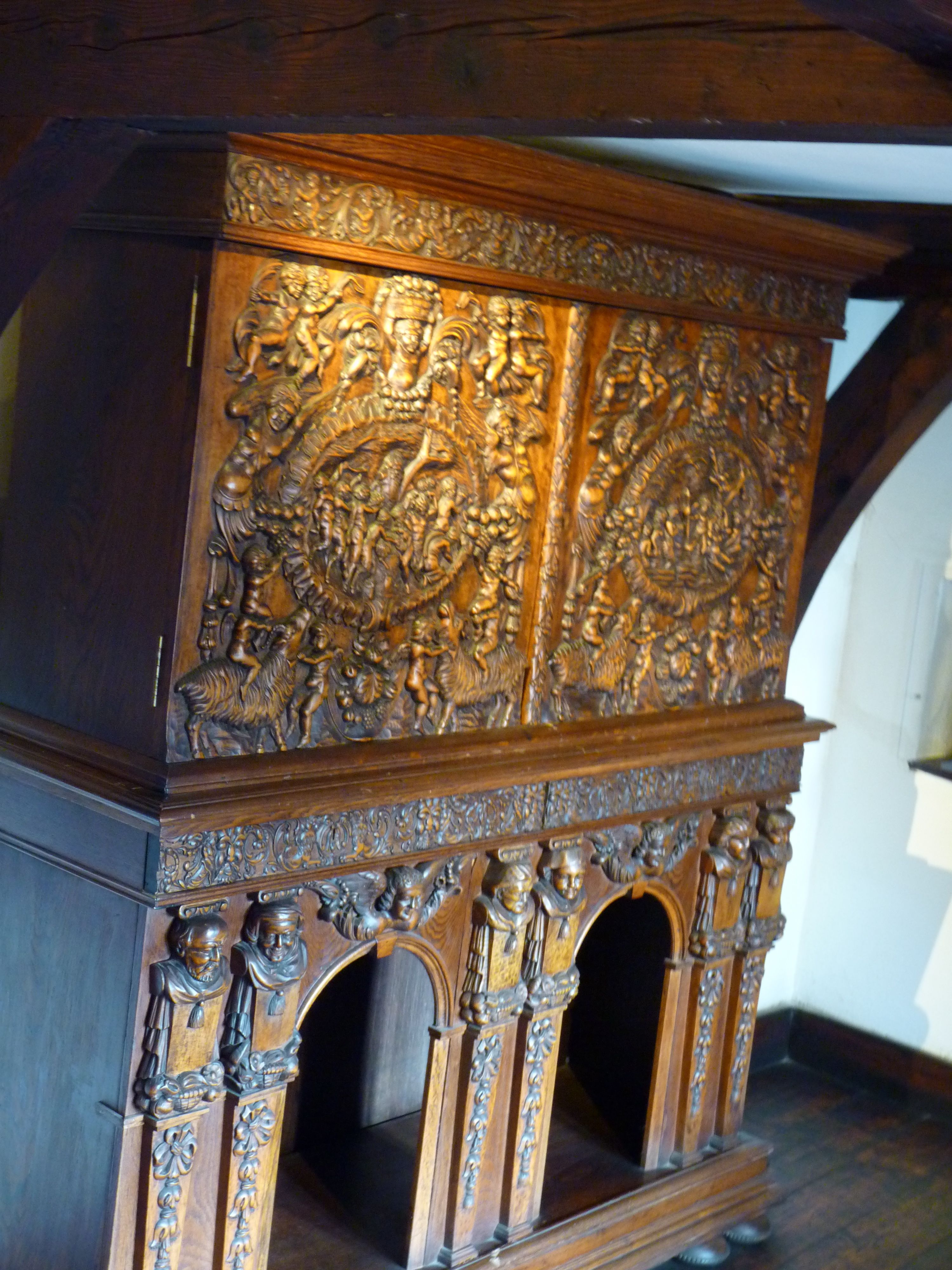
Carved wooden cabinet.
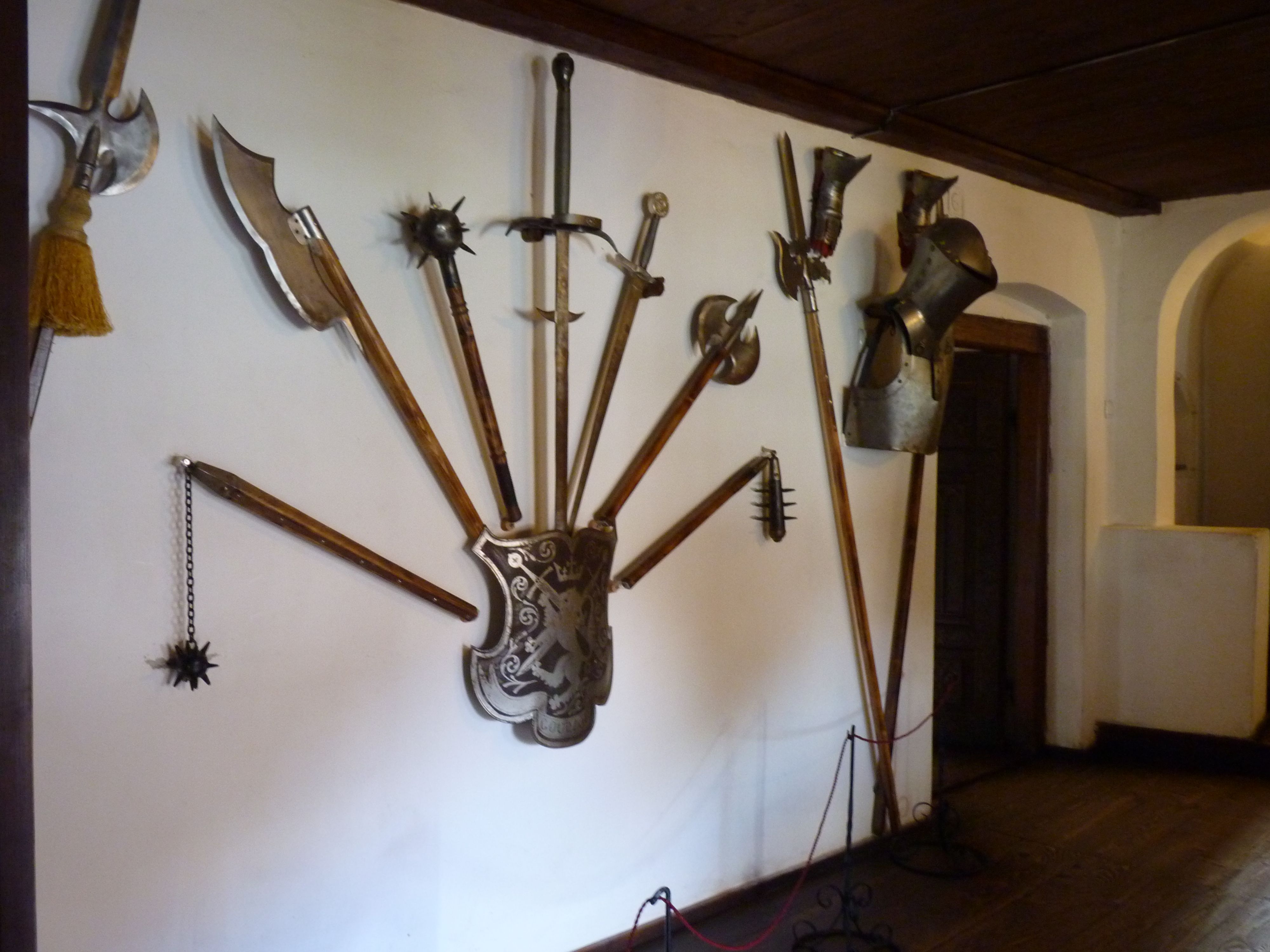 The room-by-room traipse is carefully orchestrated so that you and your fellow tourists can take in the 700 year history of the castle in an orderly manner as you are guided up to the Dracula section. Here you learn the story of the man behind the legend in words and pictures. Bram Stoker, a writer from Ireland, weaved remnants of Eastern European folklore, romance and fangs into an original horror tale based on Vlad Tepes, a 15th century nobleman renowned for the number of people he murdered. He used Bran Castle as a fortress haven.
The association between Count Dracula, the vampire imagined by Bram Stoker and the original chracter-Vlad Tepes- Dracula -Prince of Wallachia (1448, 1456-62; 1476), who spent his childhood in Transylvania, is due to the prince’s bloody avenger nature. The Wallachian volvode got this popular surname “Tepes”, (the impaler) because of his cruel habit to apply the capital sentence by impaling , and he inherited his second surname , ‘Dracula’ (meaning the Devil’s son in Slavonic language) , from his father Vlad Dracul
After all this, you emerge into the gift shop selling magnets of Vlad and the outdoor tourist stalls selling the standby tchochkalas of Romania. The perfect finale to a sight-seeing excursion.
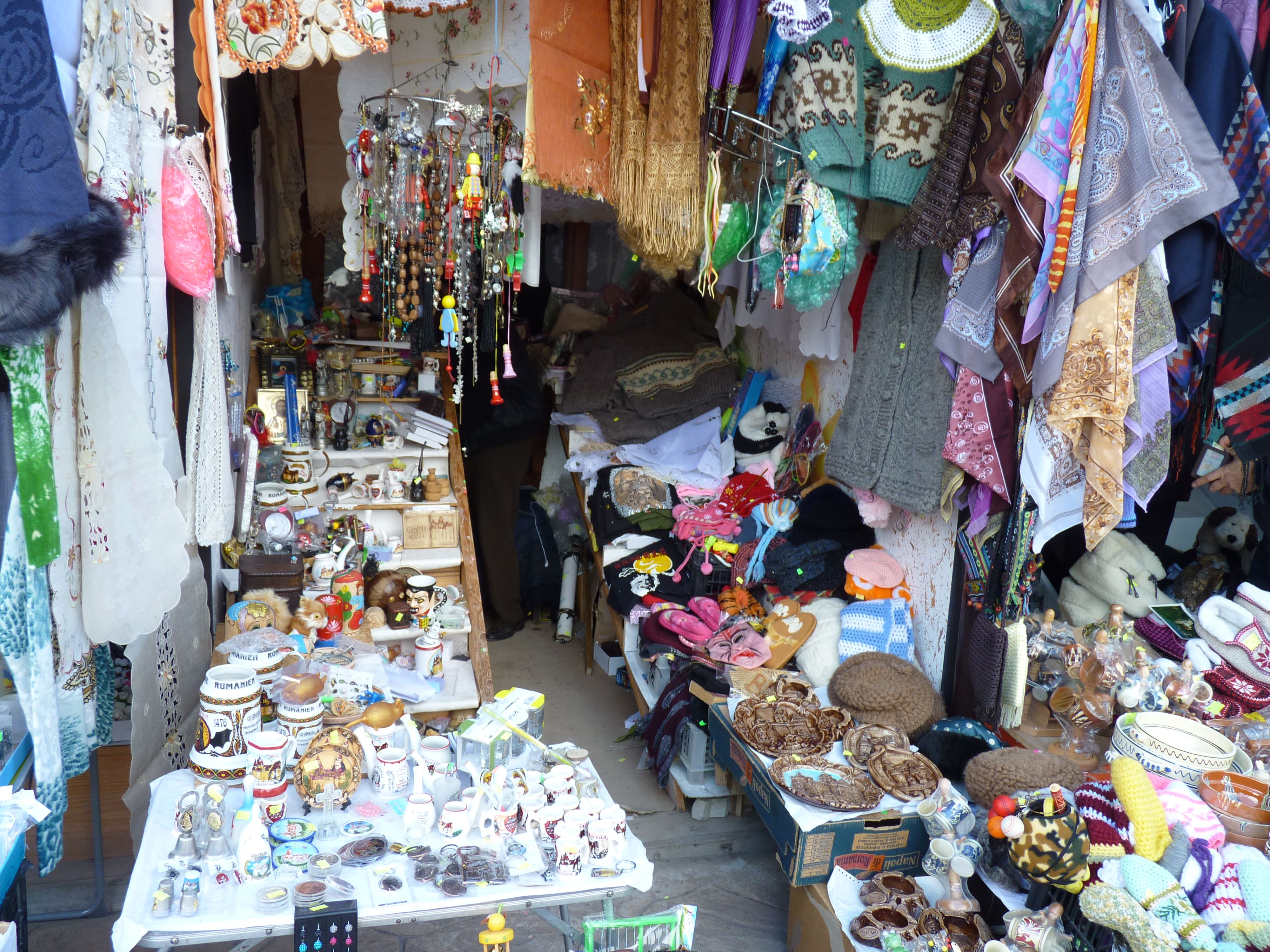
Tourist stall. Bran.
01 Monday Dec 2014
Posted in Confessional, Men
Tags
Frank Sinatra, Frank Terranella, Guy Wood, Jack Lawrence, John Coltrane, Johnny Hartman, music, My One and Only Love, Robbert Mellin, Robert Mellin, Romance and Love, The Write Side of 50
When people ask me what my favorite standard song is, I often reply that I have at least a dozen favorites. For example, I love Make Someone Happy (music by Jule Styne, lyrics by Betty Comden & Adolph Green), Someone to Watch Over Me (music by George Gershwin, lyrics by Ira Gershwin) and What Are You Doing The Rest of Your Life (music by Michel LeGrand, lyrics by Alan and Marilyn Bergman). I used the last of these to propose to my wife.
But if someone really presses me and won’t take more than one song as an answer, I confess that my all-time favorite is My One and Only Love by English song writers Guy Wood and Robert Mellin. I think it’s a masterpiece, and judging by the number of recordings of it, many people agree with me. It has a fascinating tune as it climbs the scale with its first six notes. But it is the lyric that clinches the deal for me. It starts:
The very thought of you makes my heart sing
Like an April breeze on the wings of spring
And you appear in all your splendor
My one and only love
~~~~~~~~~~~~~~~~~~~~~~~~~~~~~~~~~~~~~~~
The shadows fall and spread their mystic charms
In the hush of night, while you’re in my arms
I feel your lips so warm and tender
My one and only love
~~~~~~~~~~~~~~~~~~~~~~~~~~~~~~~~~~~~~~~
The poetry is just breathtaking to me. And the words fit the music perfectly. Interestingly enough, these were not the original words to the song. When Guy Wood wrote the music back in 1947, the lyrics were by Jack Lawrence and the song was called “Music from Beyond the Moon.” It was recorded by Vic Damone in 1948, but was a flop. The lyrics then went like this:
The night was velvet and the stars were gold
And my heart was young, but the moon was old
I was listening for the music
Music from beyond the moon
~~~~~~~~~~~~~~~~~~~~~~~~~~~~~~~~~~
You came along and filled my empty arms
And my eager lips thrilled to all your charms
When we touched I heard the music
Music from beyond the moon.
~~~~~~~~~~~~~~~~~~~~~~~~~~~~~~~~~~
Is there any doubt why this original version didn’t make it? Not only is the lyric nonsensical (beyond the moon, really??), it doesn’t scan correctly. Guy Wood wrote six notes as the end of each verse (mirroring the six notes of the beginning of each verse). The words “Music from Beyond the Moon” require seven notes.
Poor Vic Damone must have felt like the unluckiest guy around when Frank Sinatra recorded the revised version with the Robert Mellin lyric in 1953 and had an immediate hit. Of course, the definitive version of My One and Only Love is the one by Johnny Hartman that he recorded with John Coltrane in 1963.
The bridge of the song is nothing special musically, but again Robert Mellin’s lyrics shine:
The touch of your hand is like heaven
A heaven that I’ve never known
The blush on your cheek whenever I speak
Tells me that you are my own
And finally, the last verse of the Mellin lyric draws inspiration from the second verse of the original Lawrence lyric, but Lawrence had a base hit. Mellin hits it out of the park:
You fill my eager heart with such desire
Every kiss you give sets my soul on fire
I give myself in sweet surrender
My one and only love
Now that’s a song! It moves me whenever I hear it. It’s not the music of my generation, but then neither is Bach or Beethoven. It’s classic Tin Pan Alley — one page in the rich American Songbook that Jonathan Schwartz has spent a lifetime promoting. And you don’t have to be over 50 to love it.

 The Write Side of 59